

Based on my research, I’ve compiled a comprehensive list of the 14 best home office ideas with pictures to help you create a functional, stylish, and productive workspace. Let’s explore these inspiring home office design concepts:
1. Corner Office Nook
Make use of an unused corner in your home by transforming it into a functional workspace. This setup maximizes space efficiency while creating a dedicated area for work.
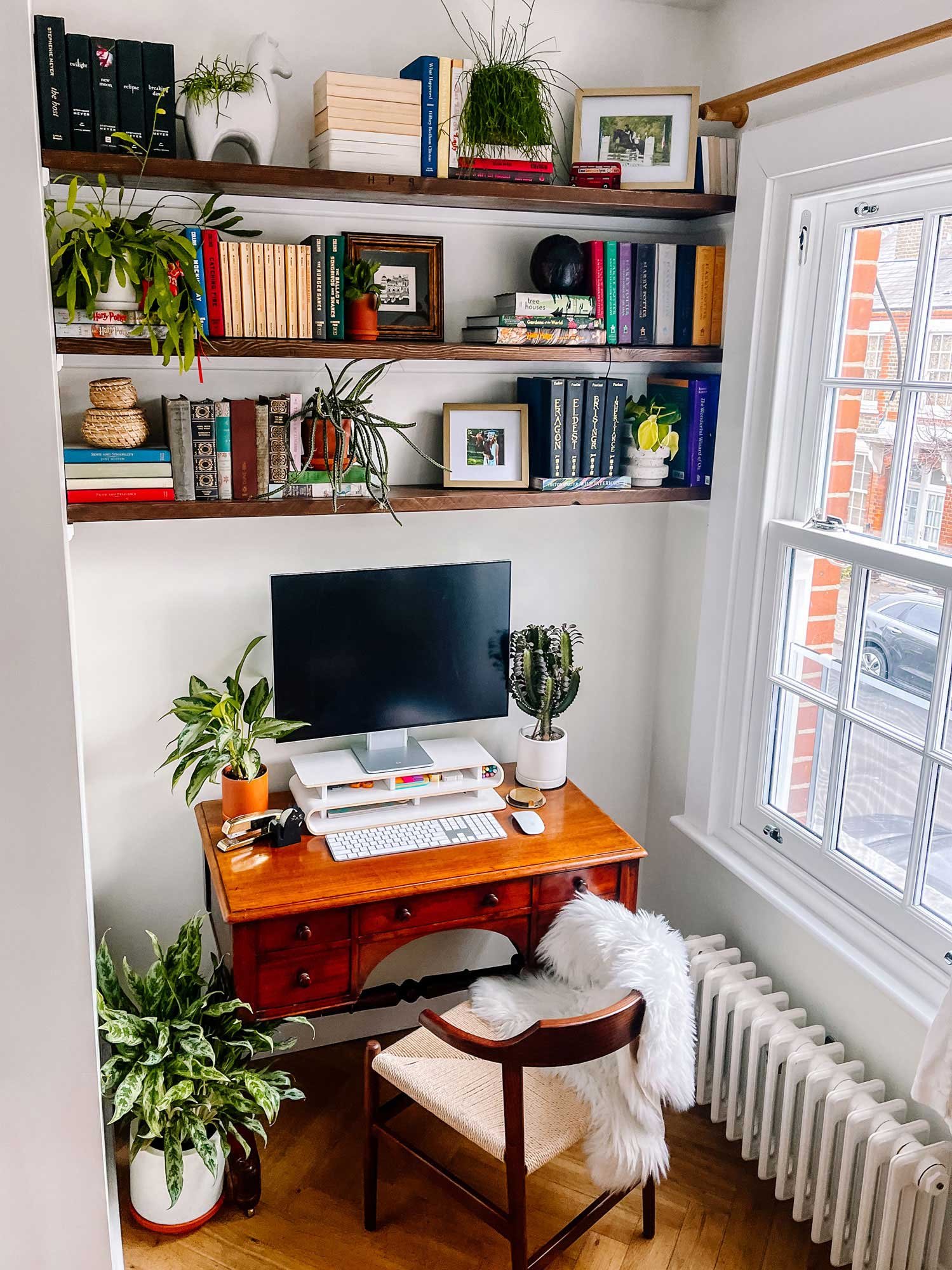

2. Built-In Bookshelf Office
Combine storage and workspace with built-in bookshelves surrounding your desk. This creates a cohesive look while providing ample storage for books, files, and office supplies.

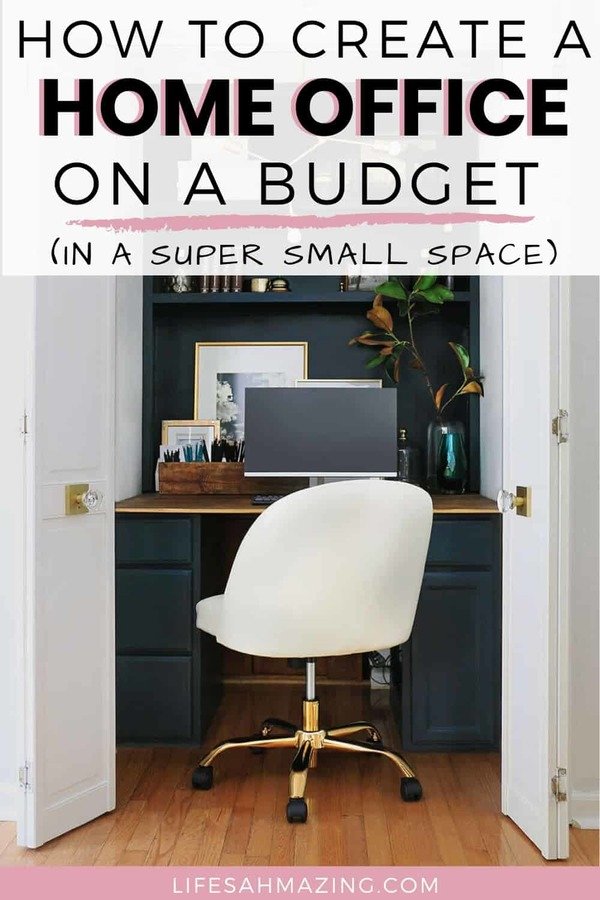
3. Converted Closet Office
Transform an unused closet into a compact workspace by removing the doors and adding a desk, shelving, and proper lighting. This “cloffice” setup is perfect for small spaces.

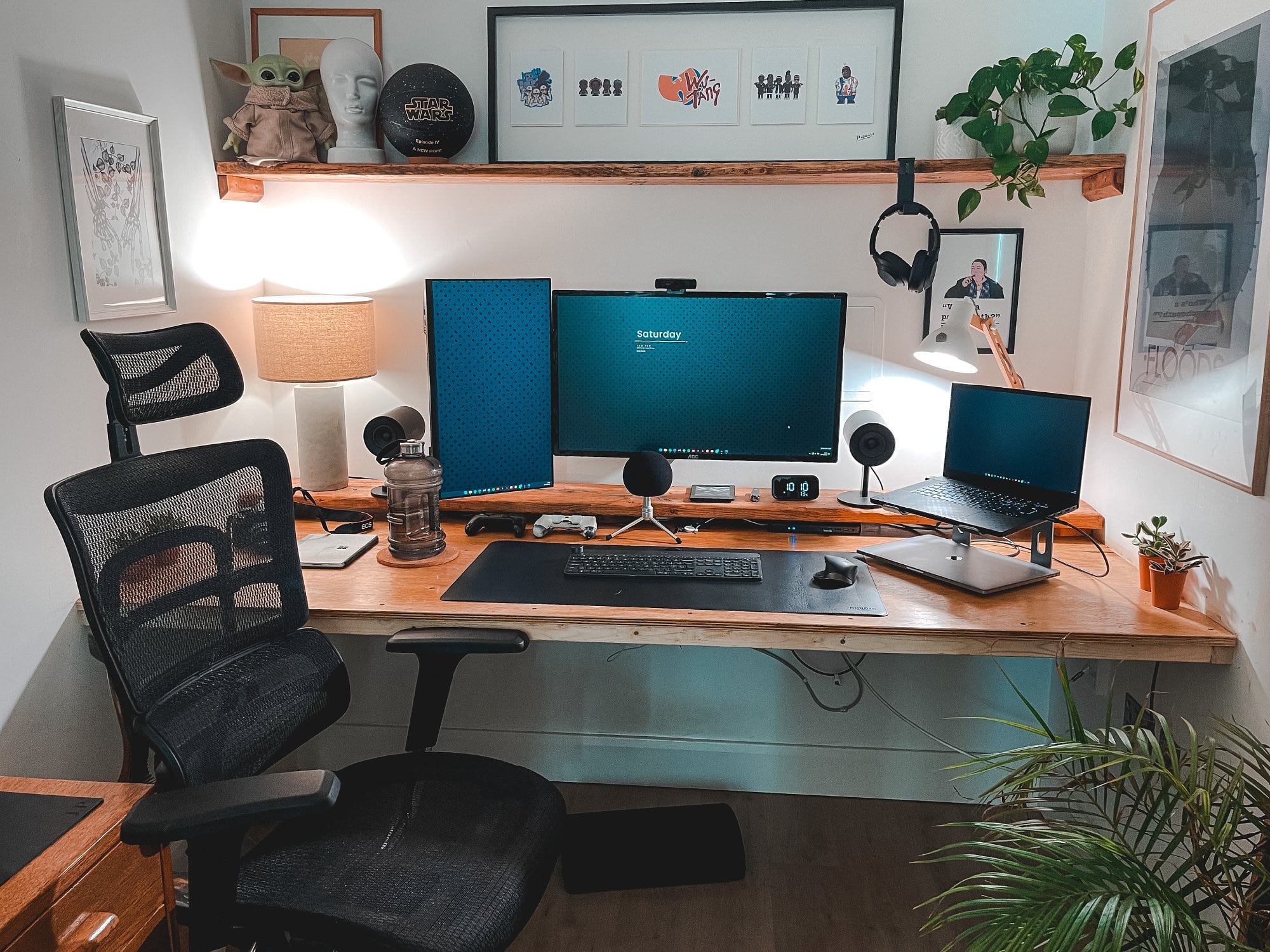
4. Ergonomic Workstation
Prioritize comfort and health with an ergonomic setup that includes an adjustable chair, keyboard at the proper height, and monitor positioned at eye level to reduce strain.
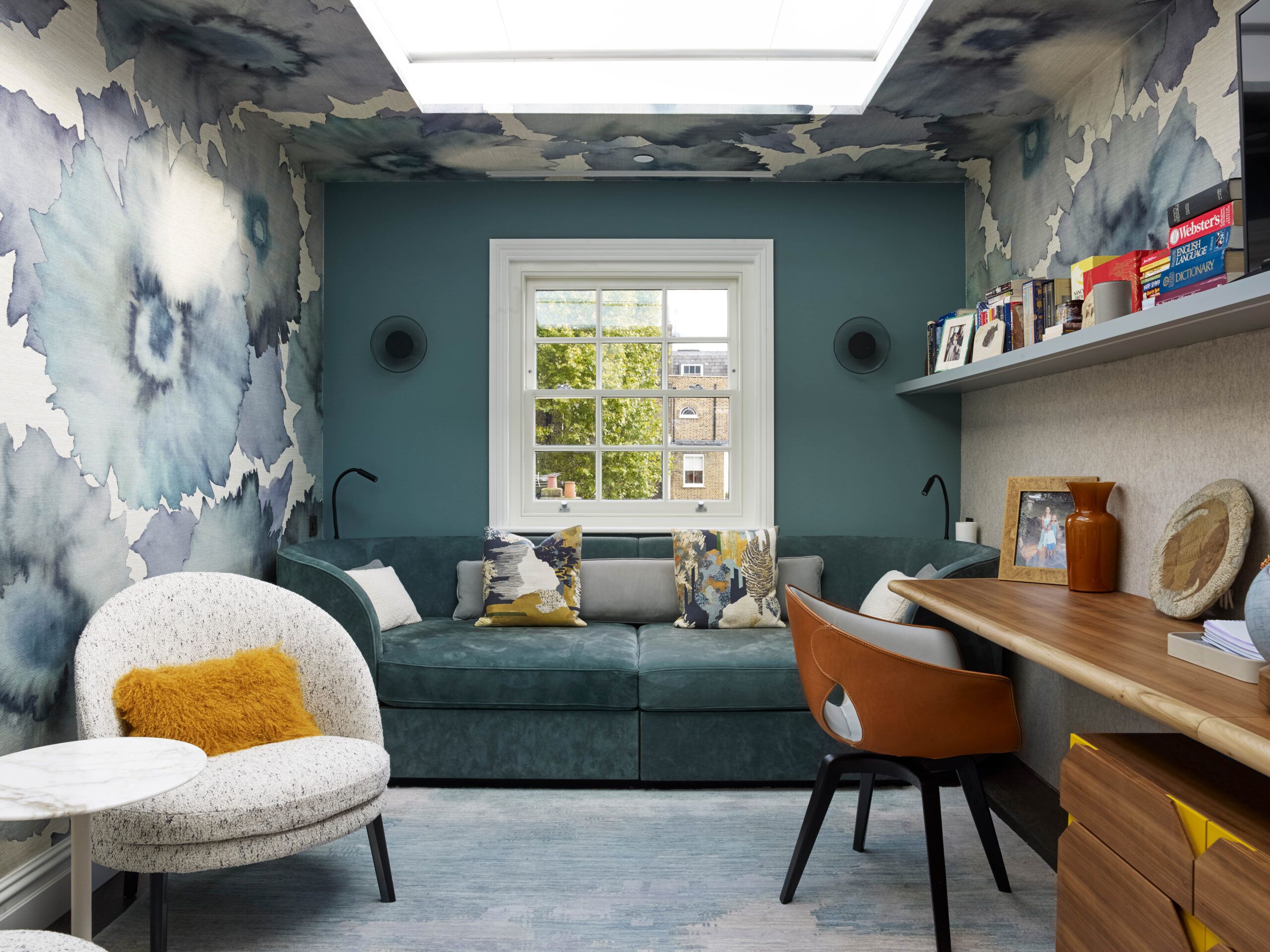
5. Dual-Purpose Guest Room Office
Create a multifunctional space that serves as both a home office and a guest room. Include a sleeper sofa or daybed that can double as seating during work hours.

6. Creative Studio Space
For artists, designers, or other creative professionals, design a workspace that inspires creativity with ample surface area, good lighting, and storage for supplies and materials.

7. Standing Desk Setup
Incorporate a standing desk or adjustable height desk to allow for position changes throughout the day, reducing the health risks associated with prolonged sitting.

8. Under-Stairs Office
Utilize the often wasted space under a staircase by transforming it into a compact office nook complete with a desk, chair, and smart storage solutions.
9. Living Room Work Zone
Carve out a dedicated work area within your living room using furniture arrangement and visual dividers to create separation between work and relaxation spaces.

10. Stylish Statement Office
Create a workspace that reflects your personal style with statement pieces, bold colors, or unique furniture that makes your office both functional and visually appealing.

11. Kitchen Command Center
Design a compact workspace in or adjacent to your kitchen for handling household management tasks, paying bills, or working while monitoring cooking or children.
12. Tech-Forward Office
Create a high-tech workspace with multiple monitors, cable management solutions, and smart home integration for a streamlined, efficient working environment.

13. Multi-Person Workstation
Design a shared office space that accommodates multiple people with sufficient desk space, storage solutions, and visual separation for concentration.

14. Attic Home Office
Convert attic space into a secluded, quiet office retreat with proper lighting, climate control, and comfortable furnishings to make use of this often underutilized space.

Key Elements for an Effective Home Office
When designing your home office, consider these important elements:
- Ergonomics: Invest in a quality chair that supports your spine and a desk at the proper height to prevent strain and discomfort during long work sessions.
- Lighting: Ensure adequate lighting with a combination of natural light and task lighting to reduce eye strain.
- Storage Solutions: Incorporate smart storage options to keep your workspace organized and clutter-free.
- Technology Integration: Plan for proper cable management, convenient power access, and appropriate tech tools for your needs.
- Personal Touches: Add elements that inspire you, such as artwork, plants, or meaningful objects to create a space you enjoy spending time in.
By incorporating these ideas and principles, you can create a home office that enhances your productivity, supports your well-being, and fits seamlessly into your living space. Whether you have a dedicated room or just a small corner, there are creative solutions to help you establish an effective work environment at home.
Frequently Asked Questions
A converted closet (‘cloffice’), a corner nook, or a living room work zone with a visual divider are the most space-efficient options for an apartment. These approaches avoid dedicating an entire room to work, which most apartments don’t have to spare.
Remove the closet doors, add a compact desk sized to the depth of the closet, install shelving above or beside it, and add a dedicated light source since closets rarely have good natural light. Keep the footprint shallow so the door opening isn’t blocked when the space isn’t in use.
For most people who sit for long stretches, alternating between sitting and standing throughout the day can reduce back and neck strain compared to sitting all day. It’s most worth the investment if you already experience discomfort from prolonged sitting; casual or short-session users may not notice as much benefit.
Give each person their own defined desk zone with enough separation to avoid feeling cramped, and consider noise-reducing elements like a rug, curtains, or a room divider if calls happen simultaneously. Shared storage should be centrally located so it doesn’t favor one person’s desk over another’s.
Your monitor top should sit at or just below eye level, your elbows should rest at roughly 90 degrees at the keyboard, and your feet should sit flat on the floor or a footrest. An adjustable chair with lumbar support makes it far easier to hit all three points consistently than a fixed-height chair.
Yes, both work well for a quiet, secluded office as long as you address the practical gaps first — attics often need better climate control and lighting, while under-stair spaces need custom-fit furniture to make use of the sloped or irregular footprint. Neither is ideal for video calls requiring a lot of headroom or backdrop space, so plan camera angles accordingly.
Cable trays or boxes mounted under the desk keep power strips and cords out of sight, while cable sleeves bundle multiple cords running to a monitor or dock into one manageable strand. Positioning your desk near an outlet from the start avoids needing long, exposed extension cords across the floor.


