

Transform an unused closet into the ultimate cozy reading retreat with these inspiring ideas and step-by-step guidance.
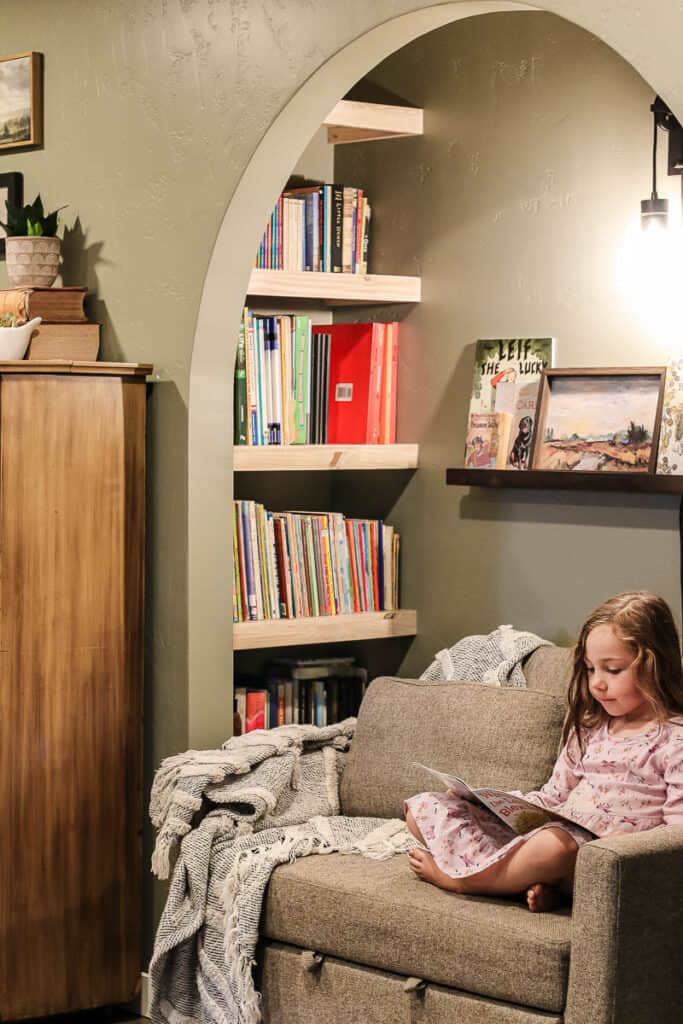
There’s something magical about having a dedicated space to escape with a good book. While many dream of expansive home libraries, the reality is that most of us are working with limited space. Enter the closet reading nook – a brilliant solution that transforms underutilized storage areas into intimate literary sanctuaries.
Whether you’re a homeschooling family needing a quiet study spot, a book lover craving a personal retreat, or simply someone looking to maximize your home’s potential, converting a closet into a reading nook offers the perfect blend of functionality and charm.
1. The Classic Built-In Beauty

This stunning built-in reading nook showcases what’s possible when you commit to a full transformation. Complete with custom bookshelves, built-in storage drawers, and a comfortable bench seat, this design maximizes every inch of space. The shiplap wall treatment and coastal-inspired styling create a serene atmosphere perfect for long reading sessions.
Key Features:
- Built-in bench with storage drawers underneath
- Floor-to-ceiling bookshelves on both sides
- Shiplap accent wall for added character
- Custom cushioning and pillows for comfort
Learn how to build this exact nook →
2. The Minimalist Haven
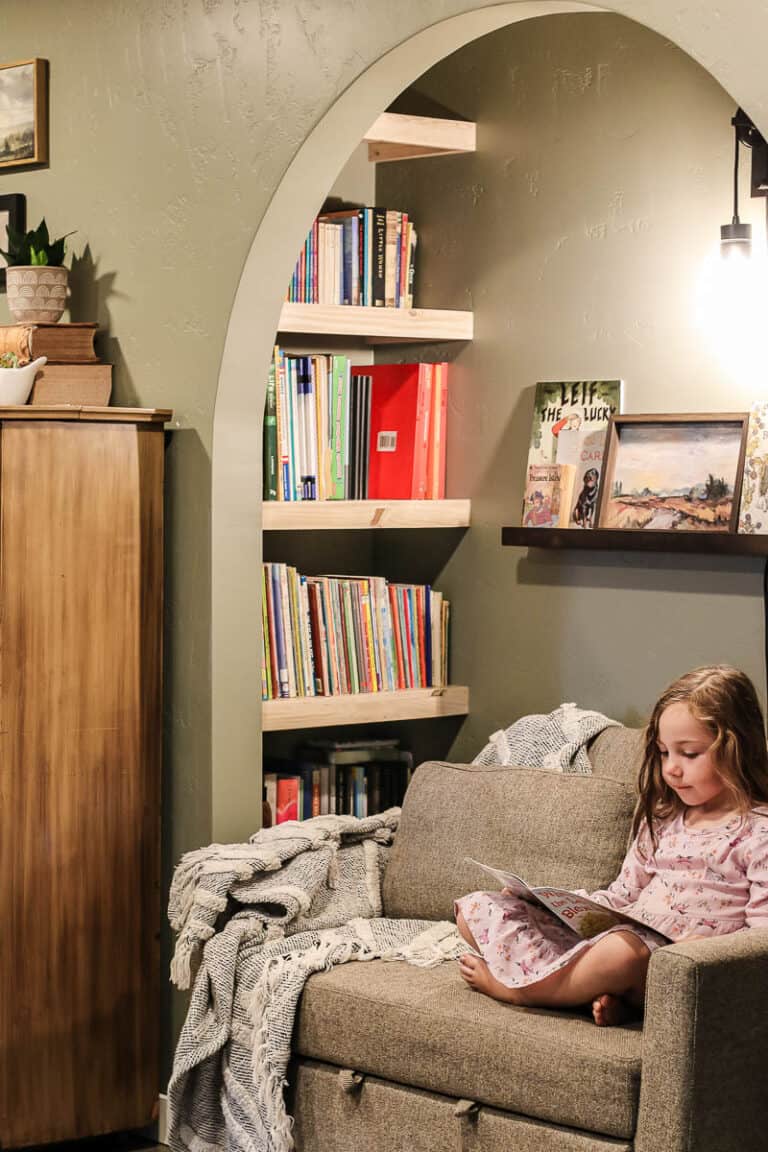
Sometimes less is more. This elegant approach proves you don’t need extensive carpentry skills to create a beautiful reading space. A small loveseat paired with floating shelves creates an intimate atmosphere while maintaining the room’s clean aesthetic.
Perfect for:
- Renters who can’t make permanent changes
- Budget-conscious decorators
- Those who prefer minimalist design
3. The Kid-Friendly Corner

Creating a reading nook specifically designed for children encourages a lifelong love of books. This vibrant space features child-height seating, easy-to-reach book storage, and playful decor that makes reading feel like an adventure.
Child-Friendly Elements:
- Lower seating appropriate for small bodies
- Bright, engaging colors
- Easy-access book storage
- Soft surfaces for safety
Discover more kids’ reading nook ideas →
4. The Dramatic Before & After

This remarkable transformation shows the incredible potential hiding in your unused closets. What started as a standard storage closet became a multi-functional space serving as a reading nook, sleepover spot, and creative play area.
Transformation Highlights:
- Complete removal of closet doors
- Custom built-in seating
- Integrated storage solutions
- Dramatic lighting improvements
See the full transformation story →
5. The Sophisticated Study

This sophisticated design proves that reading nooks can be both functional and incredibly stylish. The neutral color palette, quality materials, and thoughtful lighting create a space that feels more like a luxury hotel retreat than a converted closet.
Sophisticated Elements:
- High-quality built-in cabinetry
- Professional lighting design
- Luxurious fabrics and finishes
- Integrated technology solutions
Explore more sophisticated reading nook ideas →
Related Reading Nook Ideas & Tools
- Bedroom reading nook ideas
- Closet reading nook ideas · Reading nook ideas for adults
- Toddler reading nook
- Small living room layout ideas · Apartment decor ideas
- Furniture arrangement visualizer · Room dimension calculator · Color palette generator
- Boho wall decor ideas · Boho accent walls
- Cozy patio reading spots
6. The Cozy Corner Retreat

Sometimes a reading nook is all about creating the perfect cozy atmosphere. This charming space uses soft colors, plush textures, and warm lighting to create an irresistible spot for curling up with a favorite book.
Cozy Elements:
- Soft, comfortable seating
- Warm color palette
- Multiple light sources
- Personal touches and decor
Find more cozy reading nook inspiration →
7. The Rustic Charm Nook

Embrace natural materials and rustic charm with this approach to closet reading nook design. Wood elements, natural textures, and earthy colors create a space that feels connected to nature – perfect for escaping into adventure novels or nature writing.
Rustic Features:
- Natural wood elements
- Earthy color schemes
- Textured fabrics and materials
- Vintage or antique accessories
Discover more rustic reading nook ideas →
8. The Window Seat Wonder

If your closet happens to have a window, you’ve hit the reading nook jackpot! Natural light is the holy grail of reading spaces, and this design maximizes that advantage while creating additional storage and comfort.
Natural Light Benefits:
- Reduces eye strain during reading
- Creates a connection to the outdoors
- Provides natural warmth and ambiance
- Reduces need for artificial lighting during the day
Explore more window reading nook ideas →
9. The Small Space Solution

Working with a truly tiny closet? This design proves that size doesn’t matter when it comes to creating a functional reading space. Smart storage solutions and carefully chosen furnishings make every square inch count.
Small Space Strategies:
- Vertical storage maximization
- Multi-functional furniture pieces
- Light colors to create illusion of space
- Minimal but impactful decor
Get more small space reading nook tips →
10. The Library-Inspired Design

Channel the atmosphere of your favorite library with rich wood tones, traditional styling, and floor-to-ceiling book storage. This approach creates a scholarly atmosphere that makes every reading session feel special and important.
Library-Inspired Elements:
- Rich, dark wood finishes
- Traditional furniture styles
- Extensive book storage
- Classic lighting fixtures
11. The Modern Minimalist

Clean lines, neutral colors, and carefully curated accessories define this modern approach to closet reading nook design. The focus is on creating a calm, distraction-free environment that promotes focus and relaxation.
Modern Elements:
- Clean, geometric lines
- Neutral color palettes
- Minimal decorative elements
- High-quality, simple materials
12. The Bohemian Hideaway
For those who love eclectic style, a bohemian-inspired reading nook brings together rich textiles, warm colors, and collected treasures to create a space that feels worldly and well-traveled.
Bohemian Features:
- Rich, saturated colors
- Mixed patterns and textures
- Global-inspired accessories
- Layered lighting sources
13. The Farmhouse Fresh
Embrace farmhouse style with shiplap walls, vintage accessories, and comfortable, lived-in furnishings. This approach creates a space that feels like a retreat to simpler times.
Farmhouse Elements:
- Shiplap or board and batten walls
- Vintage and distressed finishes
- Natural materials and textures
- Classic country color schemes
14. The Scandinavian Sanctuary
Light woods, white walls, and cozy textiles define the Scandinavian approach to reading nook design. This style emphasizes hygge – the Danish concept of cozy contentment.
Scandinavian Features:
- Light wood tones
- White and neutral color schemes
- Natural materials
- Emphasis on comfort and coziness
15. The Multi-Functional Marvel

The ultimate closet reading nook serves multiple purposes – reading retreat, study space, guest sleeping area, and storage solution all in one. This comprehensive approach maximizes the value of your converted space.
Multi-Functional Elements:
- Convertible seating/sleeping area
- Integrated desk space
- Multiple storage solutions
- Flexible lighting options
Essential Steps for Creating Your Own Closet Reading Nook
Based on expert tutorials and successful transformations, here’s your step-by-step guide:
Phase 1: Planning and Preparation
- Assess Your Space
- Measure the closet dimensions carefully
- Check for electrical outlets and lighting needs
- Evaluate structural requirements
- Consider ventilation and air circulation
- Clear and Clean
- Remove all items from the closet
- Clean thoroughly, including walls and ceiling
- Address any repairs needed before beginning
Phase 2: Infrastructure
- Remove Doors and Hardware
- Take down closet doors and tracks
- Remove unnecessary shelving or rods
- Patch holes and repair wall surfaces
- Add Electrical and Lighting
- Install outlets if needed (hire an electrician)
- Plan lighting layout for reading comfort
- Consider both ambient and task lighting
Phase 3: Built-Ins and Storage
- Install Shelving
- Plan book storage based on your collection
- Consider adjustable shelves for flexibility
- Include display areas for special items
- Create Seating
- Choose between built-in bench or furniture piece
- Ensure proper height for comfortable reading
- Add storage within bench if possible
Phase 4: Finishing Touches
- Paint and Decorate
- Choose colors that promote relaxation
- Consider accent walls or special treatments
- Add personality with artwork and accessories
- Add Comfort Elements
- Invest in quality cushions and pillows
- Include throws and blankets for coziness
- Ensure adequate support for long reading sessions
Lighting Your Reading Nook for Success
Proper lighting is crucial for a functional reading space. Expert recommendations suggest:
- Task Lighting: Direct light for reading, such as adjustable wall sconces or table lamps
- Ambient Lighting: Soft, warm lighting for overall atmosphere
- Accent Lighting: String lights or decorative fixtures for visual interest
- Natural Light: Maximize any available windows for daytime reading
Making It Personal: Customization Ideas
Your reading nook should reflect your personality and reading habits:
- Book Organization: Sort by genre, author, or reading level
- Personal Collections: Display meaningful objects and mementos
- Seasonal Updates: Rotate decorations and book selections
- Reading Goals: Add tracking systems or progress displays
Budget-Friendly Tips
Creating a beautiful reading nook doesn’t require a huge investment:
- Thrift Store Finds: Look for unique furniture pieces and accessories
- DIY Solutions: Build simple shelves and storage with basic tools
- Paint Magic: Transform the space with affordable wall treatments
- Textile Impact: Use pillows, throws, and curtains for major style changes
Maintenance and Organization
Keep your reading nook functional and inviting:
- Regular Cleaning: Dust shelves and vacuum seating regularly
- Book Rotation: Keep the selection fresh and engaging
- Seasonal Updates: Change out decorative elements periodically
- Storage Systems: Maintain organization with bins and baskets
Conclusion
A closet reading nook represents the perfect marriage of functionality and charm. Whether you choose a simple furniture arrangement or commit to a full built-in transformation, you’re creating more than just a reading space – you’re crafting a personal sanctuary that encourages lifelong learning and provides a peaceful retreat from the busy world.
The 15 examples showcased here prove that every closet has potential, regardless of size, budget, or skill level. From kid-friendly corners to sophisticated studies, there’s a reading nook style that will perfectly complement your home and lifestyle.
Remember, the best reading nook is one that you’ll actually use. Focus on comfort, adequate lighting, and easy access to your favorite books, and you’ll create a space that becomes an integral part of your daily routine.
Ready to start your closet reading nook transformation? Begin with careful planning, take inspiration from these beautiful examples, and don’t be afraid to put your own personal spin on the design. Your perfect reading retreat is just a closet conversion away!
What style of closet reading nook speaks to you? Share your transformation plans and progress with fellow book lovers, and don’t forget to tag your completed projects for others to admire and learn from!
❓ Closet Reading Nook FAQ
Do I need to remove the closet doors?
No—swap for a curtain or use bi-fold/pocket doors if you want to close it off. Removing doors opens sightlines and improves ventilation, but it isn’t required.
How do I light a closet nook without wiring?
Use plug-in sconces, clamp lamps, or rechargeable puck lights. Aim for warm-neutral bulbs (3000–3500K) and position light slightly behind and to the side of your shoulder.
What’s a comfortable bench size?
Target a 17–19 inch seat height, 18–24 inch depth, and at least 30–36 inches width for one person. Add a lumbar pillow to keep posture comfortable on deeper benches.
How can I keep it from feeling stuffy?
Leave a gap at the top or bottom of the opening, add a quiet fan or vent grille, and avoid heat-trapping fixtures. Light walls, mirrors, and breathable cushions help, too.


