


Whether you’re working with a sprawling backyard or a tiny balcony, the right garden layout can maximize your growing space and create a beautiful, productive garden. From traditional rows to innovative vertical systems, these 15 garden layout ideas will inspire you to create the perfect growing space for your needs.
1. Square Foot Gardening

Square foot gardening revolutionizes how we think about garden space. This method divides growing areas into 1-foot squares, maximizing productivity in minimal space. Perfect for beginners, this layout uses 80% less space than traditional row gardening while producing more food.
Best for: Small spaces, beginners, urban gardening Key benefits: Easy maintenance, high yield, water efficient
Learn more about square foot gardening techniques at One Creative Mommy.
2. Raised Bed Gardens

Raised beds offer excellent drainage, soil control, and easier maintenance. The 4×8 foot size is most popular, allowing you to reach the center from either side without stepping on the soil. Multiple seasons of plantings are possible with proper succession planning.
Best for: Better soil control, drainage issues, back-friendly gardening Key benefits: Extended growing season, pest control, organized layout
Find detailed raised bed layouts at A Piece of Rainbow.
3. Vertical Gardens and Towers

Vertical gardening maximizes growing space by going upward. Garden towers, trellises, and stacked planters can increase your yield dramatically in small spaces. These systems work excellently for herbs, strawberries, and trailing vegetables.
Best for: Limited space, balconies, patios Key benefits: Space-saving, eye-catching, easy harvesting
Explore vertical garden solutions at Gardening Know How.
4. Spiral Herb Gardens

The herb spiral is a permaculture classic that creates multiple microclimates in a small space. The spiral design provides varying sun exposure and moisture levels, perfect for different herbs with varying needs. Mediterranean herbs thrive at the top while moisture-loving herbs flourish at the base.
Best for: Herb collections, permaculture gardens, small spaces Key benefits: Multiple microclimates, space-efficient, beautiful design
Learn to build your own spiral garden at Savvy Gardening.
5. Three Sisters Companion Planting

This ancient Native American planting method combines corn, beans, and squash in a symbiotic relationship. Corn provides support for beans, beans fix nitrogen for heavy-feeding corn and squash, while squash leaves shade the soil and deter pests.
Best for: Traditional gardening, sustainable practices, larger spaces Key benefits: Improved soil health, natural pest control, cultural significance
Discover three sisters planting techniques at Garden Betty.
6. Keyhole Gardens

Keyhole gardens feature a distinctive circular raised bed with a composting basket in the center. This African-inspired design provides constant nutrition through the central composting system while maximizing growing space in a compact area.
Best for: Sustainable gardening, composting integration, water conservation Key benefits: Self-fertilizing, water-efficient, space-maximizing
Learn about keyhole garden construction at The Permaculture Chick.
7. Mandala Gardens

Mandala gardens combine beauty with functionality, creating circular patterns that are both productive and aesthetically pleasing. These designs often incorporate paths, different plant heights, and seasonal color changes for year-round interest.
Best for: Ornamental food gardens, meditation spaces, artistic gardens Key benefits: Beautiful design, efficient space use, peaceful atmosphere
Find mandala garden inspiration at Paul Mirocha Design.
8. Container Gardens

Container gardening offers ultimate flexibility, allowing you to move plants for optimal growing conditions and extend seasons. Modern tiered systems and stackable planters make container gardening more productive than ever.
Best for: Renters, patios, seasonal moving, soil issues Key benefits: Mobility, controlled environment, season extension
Explore container options at Amazon.
9. Hugelkultur Gardens

Hugelkultur uses buried logs and woody debris as the foundation for raised beds. As the wood decomposes, it provides nutrients and improves water retention, creating incredibly fertile growing conditions over time.
Best for: Sustainable gardening, long-term soil building, areas with woody debris Key benefits: Water retention, soil improvement, waste reduction
Learn about hugelkultur techniques at Homes and Gardens.
10. Lasagna Gardening (Sheet Mulching)

Lasagna gardening builds soil through layering organic materials directly on the ground. This no-till method creates rich, fertile soil while suppressing weeds and retaining moisture.
Best for: Poor soil improvement, sustainable practices, low-maintenance gardening Key benefits: Soil building, weed suppression, organic matter recycling
11. Formal Potager Gardens
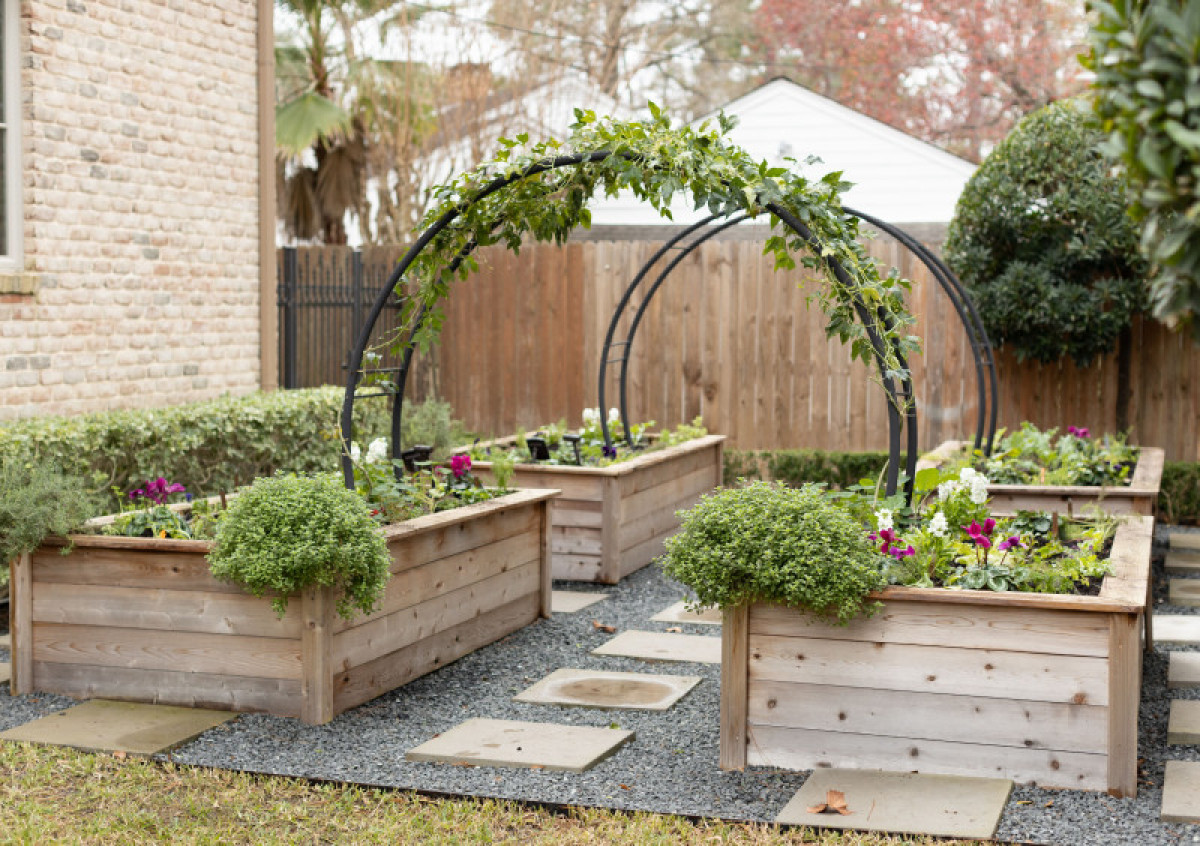
French potager gardens blend vegetables, herbs, and flowers in formal geometric patterns. These gardens prioritize beauty alongside productivity, often featuring boxwood borders and carefully planned color schemes.
Best for: Ornamental food production, formal landscapes, entertaining spaces Key benefits: Year-round beauty, diverse production, sophisticated design
Discover potager design principles at Gardenary.
12. Succession Planting Gardens

Succession planting involves staggering plantings every 2-3 weeks to ensure continuous harvests. This layout planning maximizes productivity and extends the harvest season for quick-growing crops like lettuce, radishes, and beans.
Best for: Continuous harvests, maximizing productivity, avoiding gluts Key benefits: Extended harvest season, consistent production, better space utilization
13. Interplanting/Intercropping Gardens

Interplanting maximizes space by growing compatible crops together. Quick-growing radishes between slow-growing carrots, or lettuce under tall tomatoes, makes every square inch productive.
Best for: Space maximization, efficient resource use, diverse harvests Key benefits: Higher yields, natural pest control, soil protection
14. Intensive Row Gardens

Intensive row gardening uses closer spacing than traditional farming, creating a living mulch effect that suppresses weeds and conserves moisture. Plants are spaced just far enough apart to reach maturity.
Best for: Traditional layouts, large spaces, root vegetables Key benefits: Natural weed suppression, moisture conservation, high yields
Find more intensive gardening ideas at HGTV.
15. Mixed Border Gardens

Mixed borders combine vegetables, herbs, and flowers in naturalistic plantings. This approach creates habitat for beneficial insects while producing food, making it perfect for wildlife-friendly gardens.
Best for: Wildlife gardens, naturalistic designs, pest control Key benefits: Beneficial insect habitat, natural pest control, beautiful aesthetics
Plan your square foot garden at Lettuce Grow Something.
Planning Your Perfect Garden Layout
When choosing your garden layout, consider these essential factors:
- Available space and sunlight
- Your physical abilities and maintenance preferences
- Local climate and growing season
- Water access and irrigation options
- Aesthetic preferences and landscape integration
The best garden layout combines functionality with beauty, creating a space that’s both productive and enjoyable to spend time in. Start with what excites you most, and don’t be afraid to experiment with different approaches as you gain experience The Old Farmer’s Almanac.
Remember, successful gardens evolve over time. Begin with a simple layout and gradually incorporate new ideas as you discover what works best in your unique growing conditions. Whether you choose a single approach or combine multiple layout ideas, the key is creating a garden that fits your lifestyle and brings you joy throughout the growing season.
Ready to start your garden transformation? Begin by assessing your space and choosing the layout that best matches your goals, available time, and growing conditions. Happy gardening!


