


Raised bed gardening has revolutionized how we grow vegetables, herbs, and flowers, offering better drainage, soil control, and easier maintenance than traditional in-ground gardens. Whether you’re dealing with poor soil conditions, limited mobility, or simply want to maximize your growing space, these 15 raised bed designs will inspire your next garden project.

Benefits of Raised Bed Gardening
Before diving into specific designs, let’s explore why raised beds have become so popular among gardeners:
- Better soil drainage – Prevents waterlogging and root rot
- Improved soil quality – Complete control over soil composition
- Easier maintenance – Less bending and kneeling required
- Extended growing season – Soil warms up faster in spring
- Better pest control – Easier to protect plants from ground pests
- Space efficiency – Maximizes growing area in small spaces
1. Classic Cedar Rectangular Beds
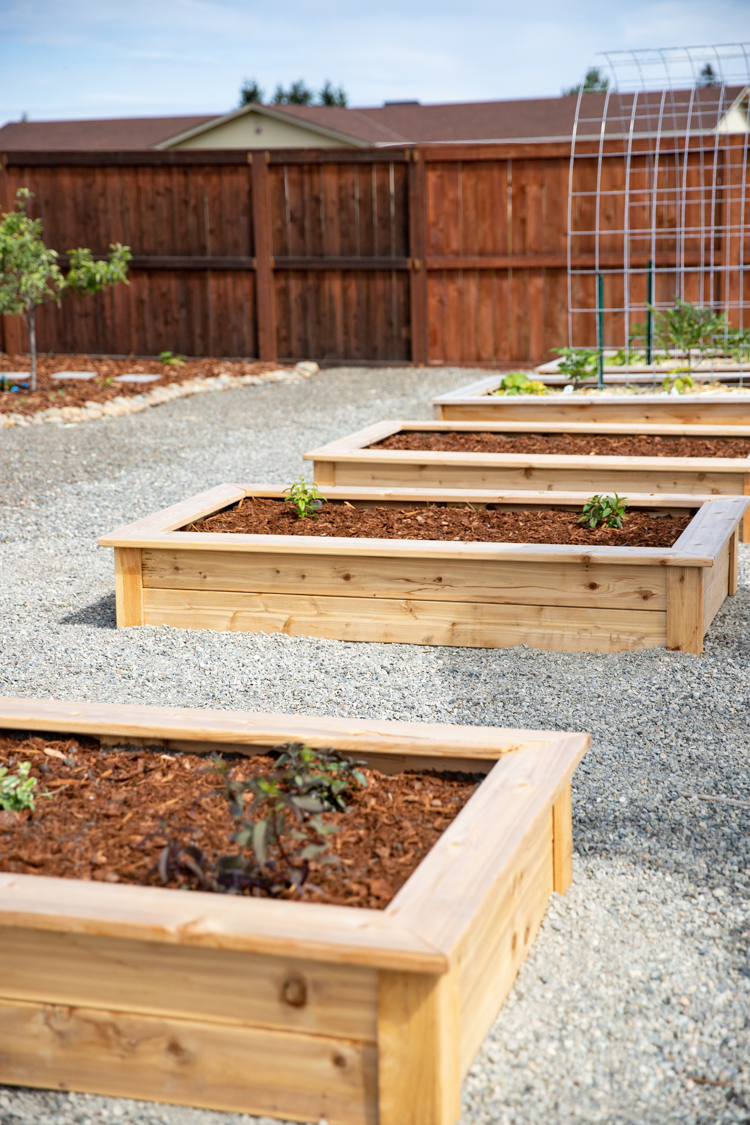
The most popular choice for DIY gardeners, cedar raised beds offer natural rot resistance and an attractive appearance. Cedar contains natural oils that repel insects and resist decay without chemical treatment.
Best for: Beginners, vegetable gardens, herb gardens Materials: Cedar planks, corner brackets, screws Lifespan: 8-10 years Cost: Moderate
Learn how to build cedar beds at Delia Creates
2. Stone and Brick Raised Beds

Stone and brick beds provide a permanent, elegant solution that blends beautifully with landscape design. These materials offer excellent thermal mass, helping to regulate soil temperature.
Best for: Permanent installations, formal gardens, sloped areas Materials: Natural stone, bricks, mortar (optional) Lifespan: 20+ years Cost: High initial investment
Explore stone bed pros and cons at Gardenary
3. Circular and Round Raised Beds

Circular beds create stunning focal points while maximizing growing space efficiency. The curved design allows easy access from all sides and creates natural pathways.
Best for: Ornamental gardens, herb spirals, small spaces Materials: Fire rings, curved wooden boards, stone Advantages: Space-efficient, attractive, easy access Design tip: Perfect for companion planting arrangements
Check out DIY round bed ideas at The Navage Patch
4. Tiered and Multi-Level Designs

Multi-level beds add visual interest while creating microclimates for different plant needs. Higher tiers provide better drainage for herbs, while lower levels retain moisture for leafy greens.
Best for: Sloped areas, visual impact, diverse plant needs Materials: Wood, stone, metal Benefits: Improved drainage, visual appeal, space maximization Consider: Plant placement based on water and sun requirements
5. Vertical Tower Gardens

Perfect for small spaces, vertical towers maximize growing area by stacking planting levels. These designs work excellently for strawberries, herbs, and salad greens.
Best for: Small spaces, patios, balconies Materials: Wood, plastic, metal Advantages: Space-saving, easy harvesting, good drainage Ideal plants: Strawberries, lettuce, herbs, cherry tomatoes
Find vertical garden options on Amazon
6. L-Shaped Corner Beds

L-shaped beds efficiently utilize corner spaces while providing easy access from multiple directions. These designs work well for maximizing growing space in awkward areas.
Best for: Corner spaces, maximizing area, zone gardening Materials: Cedar, composite, metal Benefits: Space efficiency, easy access, zoning possibilities Design tip: Use different heights for visual interest
Get L-shaped bed plans at Ugly Duckling House
7. Waist-High Elevated Beds

Elevated beds on legs bring gardening to a comfortable working height, perfect for those with mobility issues or anyone wanting to reduce back strain.
Best for: Accessibility, seniors, back problems Materials: Cedar with legs, metal frames Height: 30-36 inches Benefits: No bending, wheelchair accessible, pest protection
Learn about elevated beds at Pinch of Seeds
8. Keyhole Garden Design

Keyhole gardens feature a central composting basket surrounded by planting areas. This design creates a self-feeding system where compost nutrients feed surrounding plants.
Best for: Sustainability, water conservation, nutrient cycling Shape: Circular with central access Benefits: Self-composting, water efficient, high productivity Origin: Traditional African farming technique
Explore keyhole designs at Gardenary
9. Composite Material Beds

Composite lumber offers the look of wood without the maintenance. Made from recycled materials, these beds resist rot, insects, and weathering.
Best for: Low maintenance, longevity, eco-conscious gardeners Materials: Recycled plastic and wood fibers Lifespan: 15-25 years Benefits: No maintenance, eco-friendly, consistent appearance
Learn about composite bed construction at I Like to Make Stuff
10. Metal Raised Beds

Galvanized steel beds offer durability and a clean, modern aesthetic. They heat up quickly in spring and provide excellent structure for heavy soils.
Best for: Modern gardens, durability, quick installation Materials: Galvanized steel, aluminum Benefits: Long-lasting, quick assembly, sleek appearance Consideration: Can heat up soil quickly in summer
11. Wicker and Natural Fiber Beds

Wicker beds provide a rustic, cottage garden aesthetic while offering good drainage and natural materials. These work well for herb gardens and flower displays.
Best for: Cottage gardens, temporary installations, herb gardens Materials: Willow, bamboo, rattan Lifespan: 3-5 years Style: Rustic, natural, flexible design
12. Tire Garden Beds

Recycled tire beds offer an eco-friendly, budget option for raised gardening. They’re perfect for root vegetables and provide excellent drainage.
Best for: Budget gardening, recycling, root vegetables Materials: Used tires, paint (optional) Cost: Very low Benefits: Free materials, good drainage, heat retention
Get tire garden ideas at The Owner-Builder Network
13. Intensive Square Foot Gardens

Square foot gardening divides raised beds into grid sections, maximizing space through intensive planting techniques. Each square foot is planted with specific crops based on their space requirements.
Best for: Small spaces, maximum productivity, organization Size: Typically 4×4 feet Method: Grid planting system Benefits: High yield, organized planting, easy planning
Explore square foot methods on HGTV
14. Curved and Serpentine Beds

Curved beds create flowing, natural lines in the landscape while providing interesting planting opportunities. These designs work well for flower gardens and ornamental displays.
Best for: Ornamental gardens, natural landscapes, visual interest Materials: Flexible materials, curved wood, stone Benefits: Natural appearance, unique design, focal points Design tip: Follow natural contours of your landscape
15. Modular Expandable Systems

Modular systems allow you to start small and expand your garden over time. These interlocking designs provide flexibility for changing needs and seasonal adjustments.
Best for: Beginners, changing needs, seasonal gardens Materials: Plastic, composite, interlocking wood Benefits: Expandable, easy assembly, reconfigurable Advantage: Grow your garden as experience and space allow
Choosing the Right Design for Your Space
When selecting a raised bed design, consider:
- Available space – Measure your area and plan for pathways
- Budget – Factor in initial costs and long-term maintenance
- Physical needs – Consider accessibility and working height
- Garden goals – Vegetables, flowers, or mixed plantings
- Climate – Choose materials suited to your weather conditions
- Maintenance preferences – Some materials require more upkeep
Essential Design Principles
Regardless of which design you choose, follow these key principles:
- Optimal width – Keep beds 3-4 feet wide for easy reach
- Adequate depth – Minimum 6-8 inches for most vegetables
- Proper drainage – Ensure water can escape to prevent rot
- Pathway planning – Leave 2-3 feet between beds for access
- Sun exposure – Orient beds to maximize sunlight for vegetables
Getting Started
Ready to build your raised bed garden? Here’s how to begin:
- Choose your location – Select a sunny spot with good drainage
- Plan your layout – Sketch your design and measure the space
- Select materials – Consider budget, durability, and aesthetics
- Prepare the site – Level the ground and remove grass
- Build and fill – Construct your beds and add quality soil mix
For detailed construction guides and plant recommendations, visit Better Homes & Gardens for comprehensive raised bed ideas.
Conclusion
Raised bed gardening opens up a world of possibilities for growing healthy vegetables and beautiful flowers. From simple cedar rectangles to elaborate tiered systems, there’s a design to suit every gardener’s needs, budget, and space constraints.
The key to success lies in choosing a design that matches your gardening goals and maintaining it properly throughout the growing season. Whether you’re a beginning gardener looking to try your first vegetables or an experienced grower wanting to expand your harvest, raised beds offer the control and convenience to help your garden thrive.
Start with one bed to learn the basics, then expand your system as your confidence and enthusiasm grow. Your future self will thank you for investing in this productive and satisfying gardening method.
For more gardening inspiration and detailed tutorials, explore resources at Southern Living and Gardenary for expert advice on creating your perfect raised bed garden.
❓ Raised Bed Gardening FAQ
What depth is best for raised beds?
12–18 inches works for most vegetables and flowers. Root crops like carrots prefer 18–24 inches. If your native soil drains well, you can go shallower and loosen soil below the frame for extra root depth.
Which materials are safe for edible beds?
Untreated cedar or redwood are classics. Galvanized steel stock tanks and panels are generally food-safe. Avoid old railroad ties or CCA-treated lumber. If using modern PT, add a liner as a precaution.
What soil mix should I use?
Blend roughly 1/3 compost, 1/3 topsoil, and 1/3 aeration/organic matter (coconut coir plus perlite or bark fines). Aim for a friable mix that holds moisture yet drains well.
How do I keep beds from drying out?
Install drip irrigation on a timer, top with 2–3 inches of mulch, and boost organic matter. Consider a wicking bed or buried ollas in hot climates to reduce watering frequency.


